Floor plan & visitor flow
Strategic design of the exhibition space to maximise visitor engagement and ensure safe, logical circulation.
MICE & Conferences
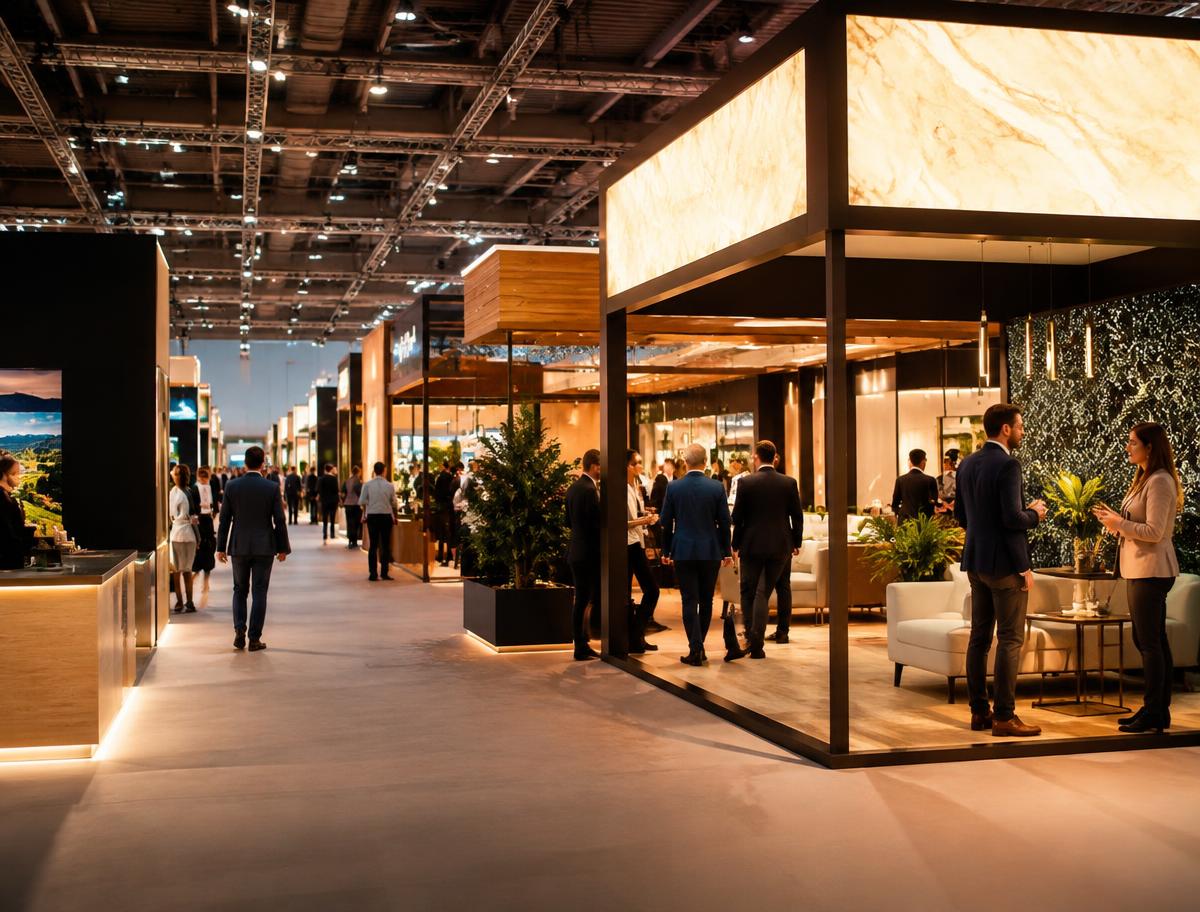
We build exhibitions that work for both organisers and exhibitors. From technical floor plans to custom booth fabrication, we manage the complexity of the trade show floor.
Illustrative event concept
What
Trade show and exhibition planning involves the design, coordination and management of large-scale marketplaces where multiple brands interact with a concentrated audience.
Why
Use this format to showcase products to a whole industry at once, generate leads or position your brand as a leader within a specific sector.
How
We focus on the structural essentials and visitor flow first, then offer scalable options for booth fabrication and interactive enhancements.
Determine the number of exhibitors, visitor targets and technical requirements. Create a floor plan that balances commercial space with visitor comfort.
Manage the fabrication schedules, logistics and on-site safety for all participants. Ensure technical orders like power and data are confirmed early.
Oversee the move-in, daily operations and move-out. Act as the central point for exhibitor needs and visitor wayfinding during the show.
When
Organisers should start 12 months out. Exhibitors should begin stand design and booking 4-6 months before the event to secure prime locations and fabrication slots.
Where
Large-scale convention centres like Marina Bay Sands or EXPO in Singapore, or specialised trade halls depending on the industry and expected visitor numbers.
What is included
Strategic design of the exhibition space to maximise visitor engagement and ensure safe, logical circulation.
Managing technical manuals, loading schedules and on-site requirements for every participant on the floor.
Design and build of bespoke exhibition stands that reflect your brand and function as effective sales environments.
Before you decide
Power, weight limits and fire regulations must be built into the design from day one to avoid on-site delays.
An exhibition is only as good as its flow. We ensure the most popular features are positioned to pull traffic through the whole space.
In picture
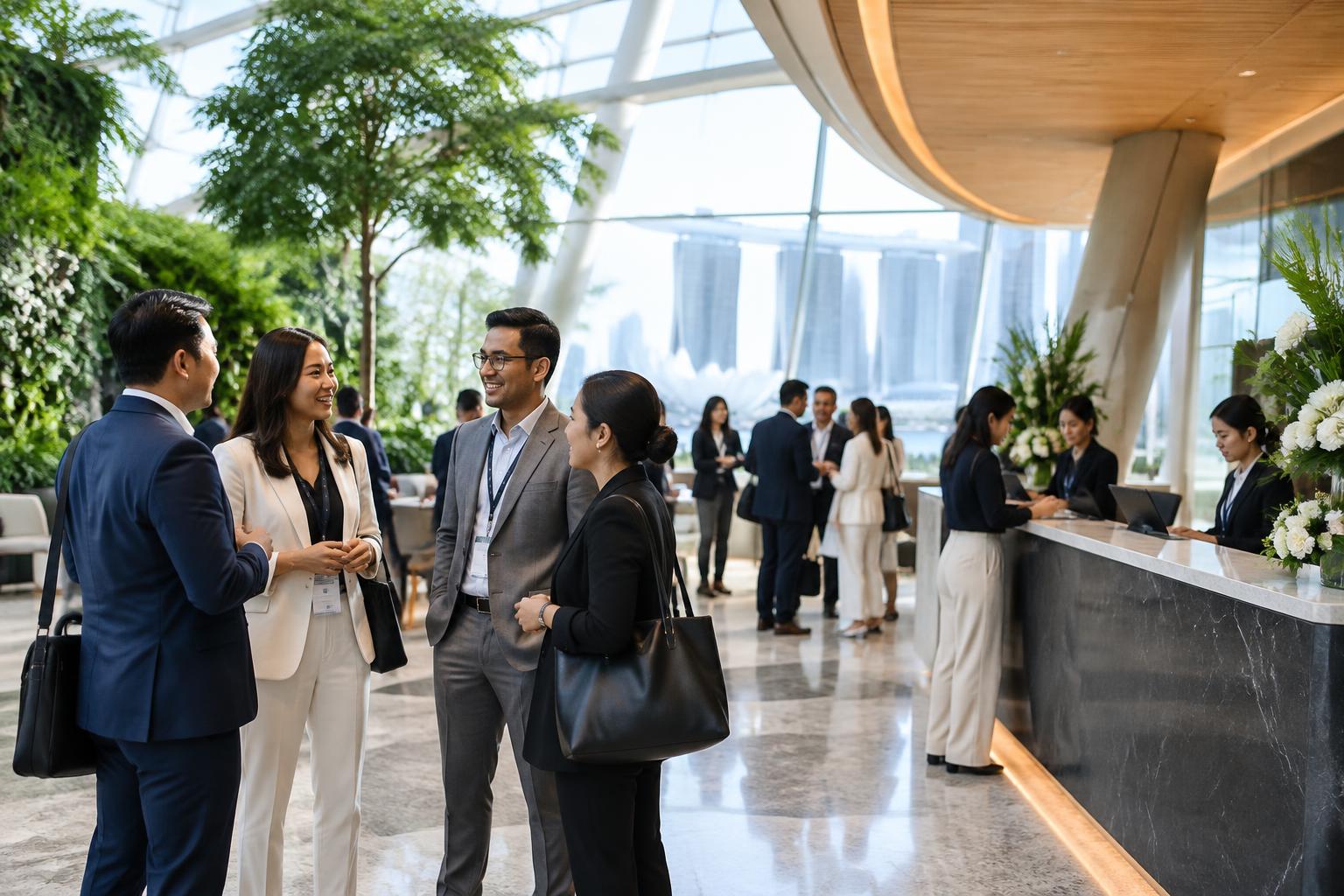
Planning guide
An exhibition is a living marketplace where every square metre must work for the brand. Success depends on the balance between the technical constraints of the venue and the creative goals of the exhibitors. We manage the high-pressure environment of the build-up, ensuring that power, logistics and safety are handled before the first visitor arrives. For organisers, we focus on the flow of people; for exhibitors, we focus on the impact of the stand. The goal is to create a professional environment where business can be conducted efficiently and safely.
Trade show and exhibition planning involves the design, coordination and management of large-scale marketplaces where multiple brands interact with a concentrated audience. Use this format to showcase products to a whole industry at once, generate leads or position your brand as a leader within a specific sector. The brief should identify who is attending, what matters to them and what the occasion needs to achieve. An agreed purpose becomes a useful test for every later decision, from the setting to the programme and the level of production.
We focus on the structural essentials and visitor flow first, then offer scalable options for booth fabrication and interactive enhancements. A useful proposal separates the essential scope from optional enhancements. Ask which choices affect the audience experience directly and which mainly change the appearance. Comparing those choices against the same headcount and programme makes costs easier to understand. A smaller budget can call for a more focused format, rather than a scaled-down version of an unsuitable idea.
Share an estimated range even when the final figure has not been approved. Include any fixed requirements, existing venue commitments and items supplied by your own team. This makes it possible to discuss trade-offs openly. Allow for practical needs such as setup time, accessibility, catering requirements and contingency arrangements. The objective is not to fill the budget with more line items, but to put available resources behind the parts of the experience that matter most.
Organisers should start 12 months out. Exhibitors should begin stand design and booking 4-6 months before the event to secure prime locations and fabrication slots. Large-scale convention centres like Marina Bay Sands or EXPO in Singapore, or specialised trade halls depending on the industry and expected visitor numbers. The shortlist should be assessed against the programme, not appearance alone. Access routes, capacity, noise restrictions, weather exposure and setup windows can influence what is feasible. Check these conditions before committing to a design or announcing details to guests.
Work backwards from the event date with clear decision points for concept approval, supplier confirmation and guest communications. Identify who can approve changes and when information needs to be final. If the schedule is short, simplify the scope deliberately rather than compressing every task. A realistic timeline gives the people involved room to prepare, check details and rehearse the moments that depend on several moving parts.
Determine the number of exhibitors, visitor targets and technical requirements. Create a floor plan that balances commercial space with visitor comfort. Manage the fabrication schedules, logistics and on-site safety for all participants. Ensure technical orders like power and data are confirmed early. Oversee the move-in, daily operations and move-out. Act as the central point for exhibitor needs and visitor wayfinding during the show. Keep the responsibilities visible and the running order practical. The plan should explain how the event is set up, how guests are welcomed and how the programme transitions from one moment to the next.
Before requesting a trade shows & exhibitions proposal, gather the information you already have: your role (organiser or exhibitor), the show dates, floor space requirements and primary objectives for the event. Add the decisions still open, the experience you want to create and any constraints that cannot change. After the event, review the agreed measures and the observations that can inform the next brief. No two occasions need the same formula; a clear starting point makes it easier to build something that belongs to yours.
With you, every step
From careful planning and conceptualisation to logistics and on-the-day delivery, EMS supports your event every step of the way - and makes sure everything is carefully executed.
Align exhibition goals, floor plan requirements and technical specifications for the venue.
Design the visitor journey and exhibitor layouts to maximise engagement and safety.
Coordinate fabrication, logistics and technical orders with all exhibitors and vendors.
Manage the move-in, live floor operations and technical support during the show dates.
Oversee the move-out and reconcile floor data and feedback for future improvements.
No two businesses have the same story. Your audience, objectives and brand shape the concept, programme and atmosphere. No two events should be the same.
Customised does not have to mean extravagant. We build solutions for every business and budget, prioritising the elements that serve your goals and making the trade-offs clear.
A brand activation needs a different approach from a conference or a retreat. We bring focused event expertise to each format, connecting the creative idea with the details needed to deliver it.
FAQs
Yes, we can provide custom graphics and furniture for shell schemes, as well as full custom builds for larger footprints.
We do both. We can act as the official organiser for the entire show or as the lead contractor for your specific brand presence.
For custom stands, we recommend starting the design process at least 12–16 weeks before the show dates.
Keep exploring
Free, tailored proposal
Share your brief once. We will come back with a considered proposal shaped around your audience, objectives and budget.
Online quote requests are not available yet. Please use the listed contact details.