Audience & activation strategy
Define who you want to reach, what you want them to feel and the action you want them to take.
Brand Experiences & Activations
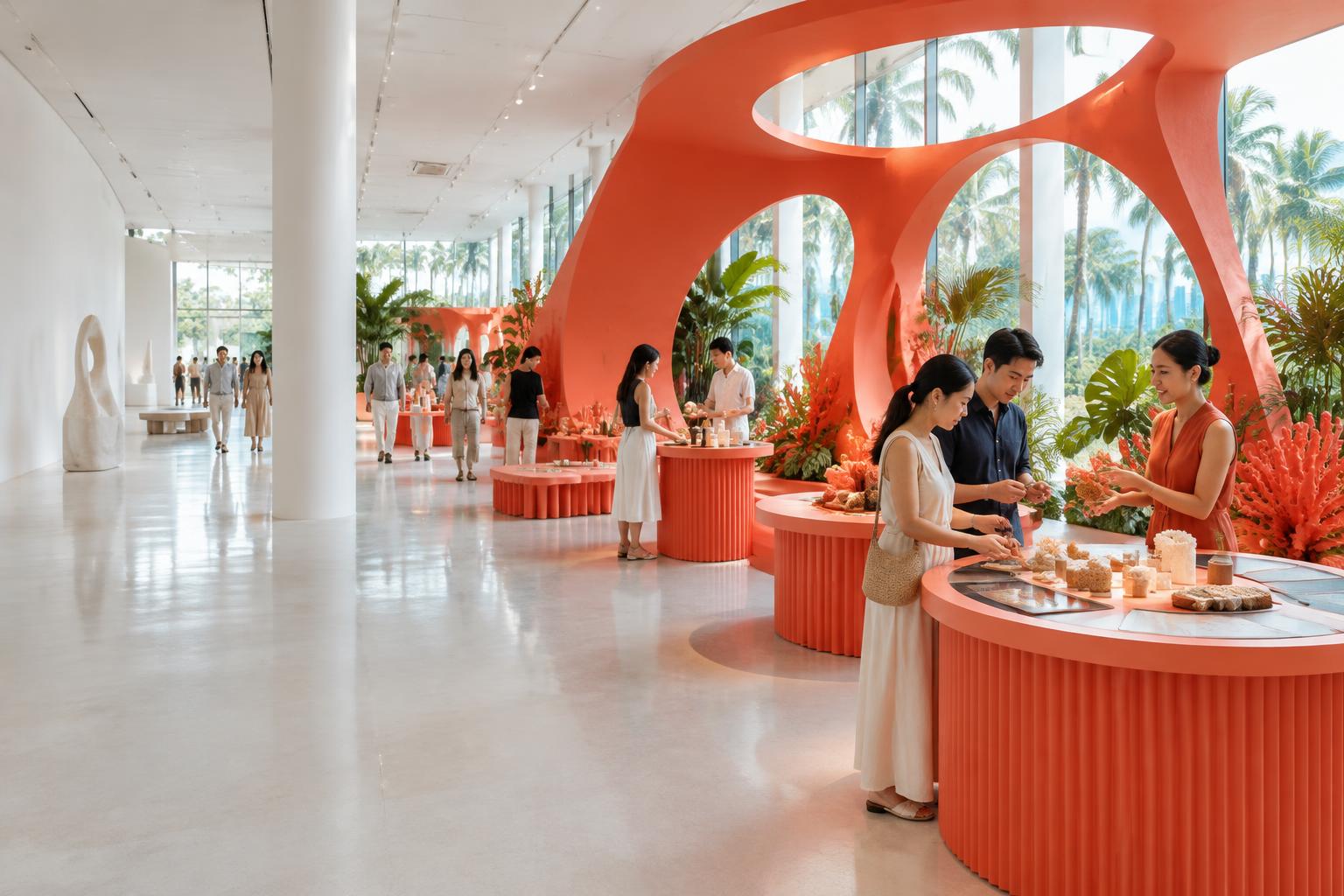
And build a story people can step into. Research-led insights shape the idea; your audience and budget shape the experience. No borrowed concepts. No interchangeable brand moments.
Illustrative event concept
What
Brand activation turns positioning into a participatory experience. Product launches and roadshows are delivery formats within this wider strategy.
Why
Use it when awareness alone is not enough: you want people to understand, try or engage with your brand, with a clear next step after the interaction.
How
We put the audience interaction first, then scale the environment, fabrication and staffing to your spend. A smaller footprint still deserves an original idea.
Brief your brand positioning, target audience and the response you want. Agree what to measure before developing the experience.
Develop a creative direction and decide whether a launch, roadshow or another encounter best serves the brief.
Coordinate the space, staffing and delivery, then review agreed interactions, feedback and permission-based follow-up.
When
Start before committing to a venue or format. Align the concept with your campaign calendar and allow time for creative development, fabrication and approvals; the schedule depends on the scope.
Where
Choose settings where your intended audience already spends time. Retail spaces, launch venues and temporary experience spaces each create different opportunities to engage.
What is included
Define who you want to reach, what you want them to feel and the action you want them to take.
Translate your brand positioning into a physical environment and a meaningful audience interaction.
Coordinate design, fabrication, staffing and event delivery around one creative direction.
Agree relevant measures such as interactions, opt-in leads and feedback before the activation begins.
Before you decide
A compelling experience starts with what your audience cares about, not simply the size of the stand.
Product launches and roadshows are ways to activate a brand. Let the objective, setting and audience determine the right format.
Plan what happens after the interaction - a sample, a follow-up or a permission-based invitation to stay connected.
The story
Beyond visibility Your brand is more than a logo on a backdrop. We look at audience motivations, your positioning and the setting, then build an experience around the point where they meet. The idea should belong to your brand - and work within your budget.
Start with your audience: their routines, motivations and the moments when your brand can be genuinely relevant.
Give people something to explore, try or create. Shape the space, sensory details and interaction around the brand idea.
Connect that experience to a considered next step, then evaluate the response against the objectives in your brief.
In picture
Planning guide
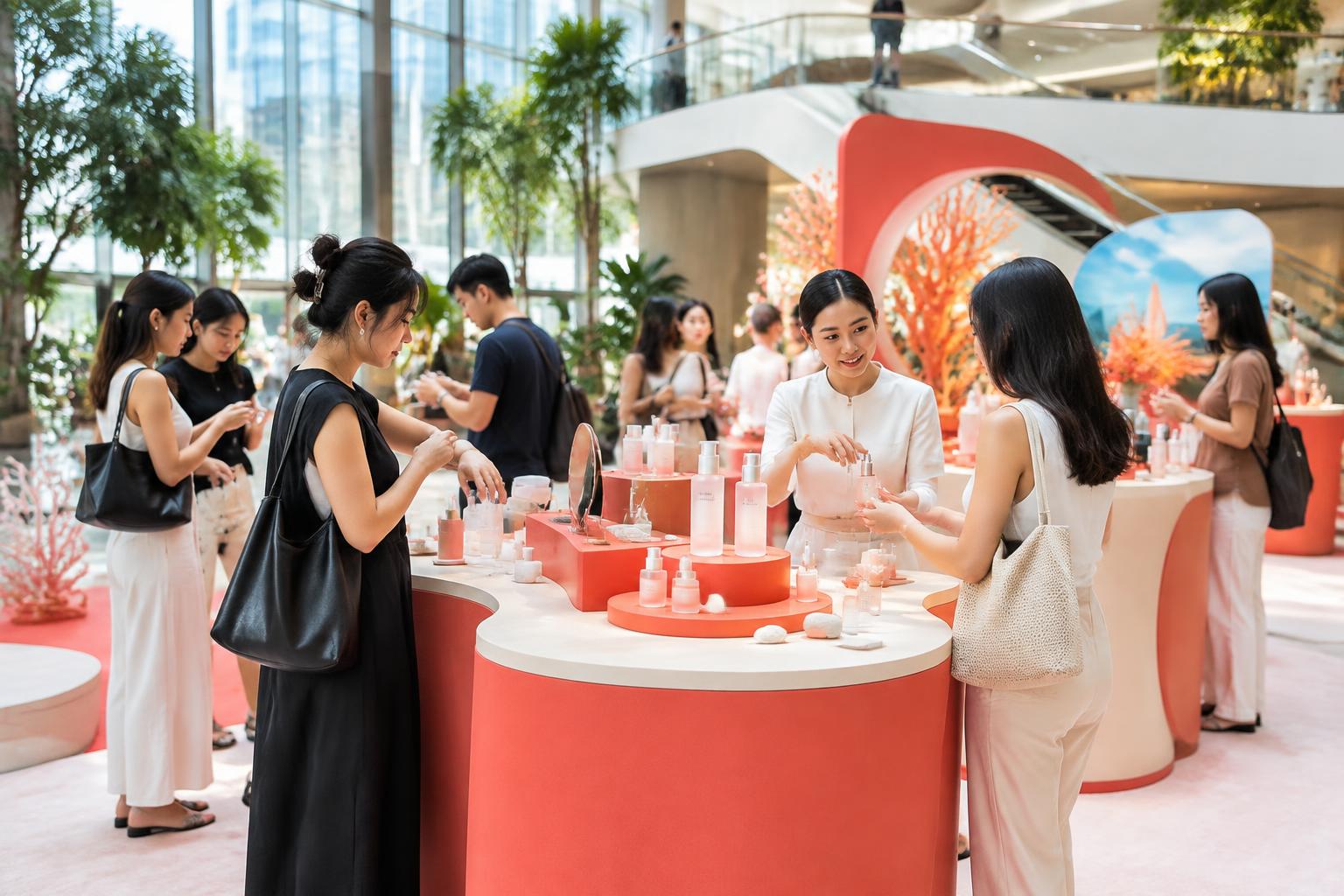
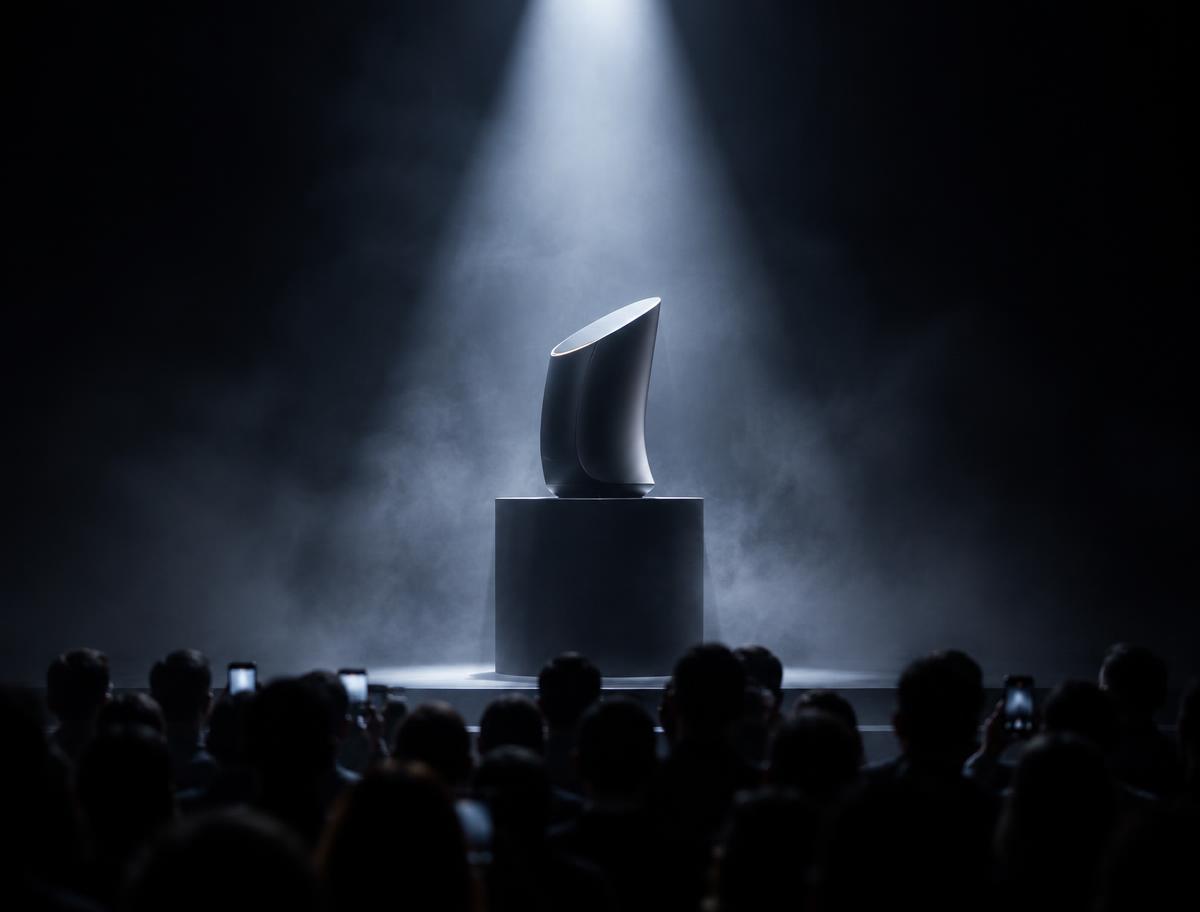
Brand activation connects an audience insight to a live encounter. The first question is not how large the stand should be, but why someone would stop, participate and care. A demonstration, creative interaction or guided discovery can each express a different part of the brand story. Product launches and roadshows sit within that wider strategy, with a defined job for each format. Agreeing the intended response early helps keep the concept, environment and follow-up focused on the same audience need.
Brand activation turns positioning into a participatory experience. Product launches and roadshows are delivery formats within this wider strategy. Use it when awareness alone is not enough: you want people to understand, try or engage with your brand, with a clear next step after the interaction. The brief should identify who is attending, what matters to them and what the occasion needs to achieve. An agreed purpose becomes a useful test for every later decision, from the setting to the programme and the level of production.
We put the audience interaction first, then scale the environment, fabrication and staffing to your spend. A smaller footprint still deserves an original idea. A useful proposal separates the essential scope from optional enhancements. Ask which choices affect the audience experience directly and which mainly change the appearance. Comparing those choices against the same headcount and programme makes costs easier to understand. A smaller budget can call for a more focused format, rather than a scaled-down version of an unsuitable idea.
Share an estimated range even when the final figure has not been approved. Include any fixed requirements, existing venue commitments and items supplied by your own team. This makes it possible to discuss trade-offs openly. Allow for practical needs such as setup time, accessibility, catering requirements and contingency arrangements. The objective is not to fill the budget with more line items, but to put available resources behind the parts of the experience that matter most.
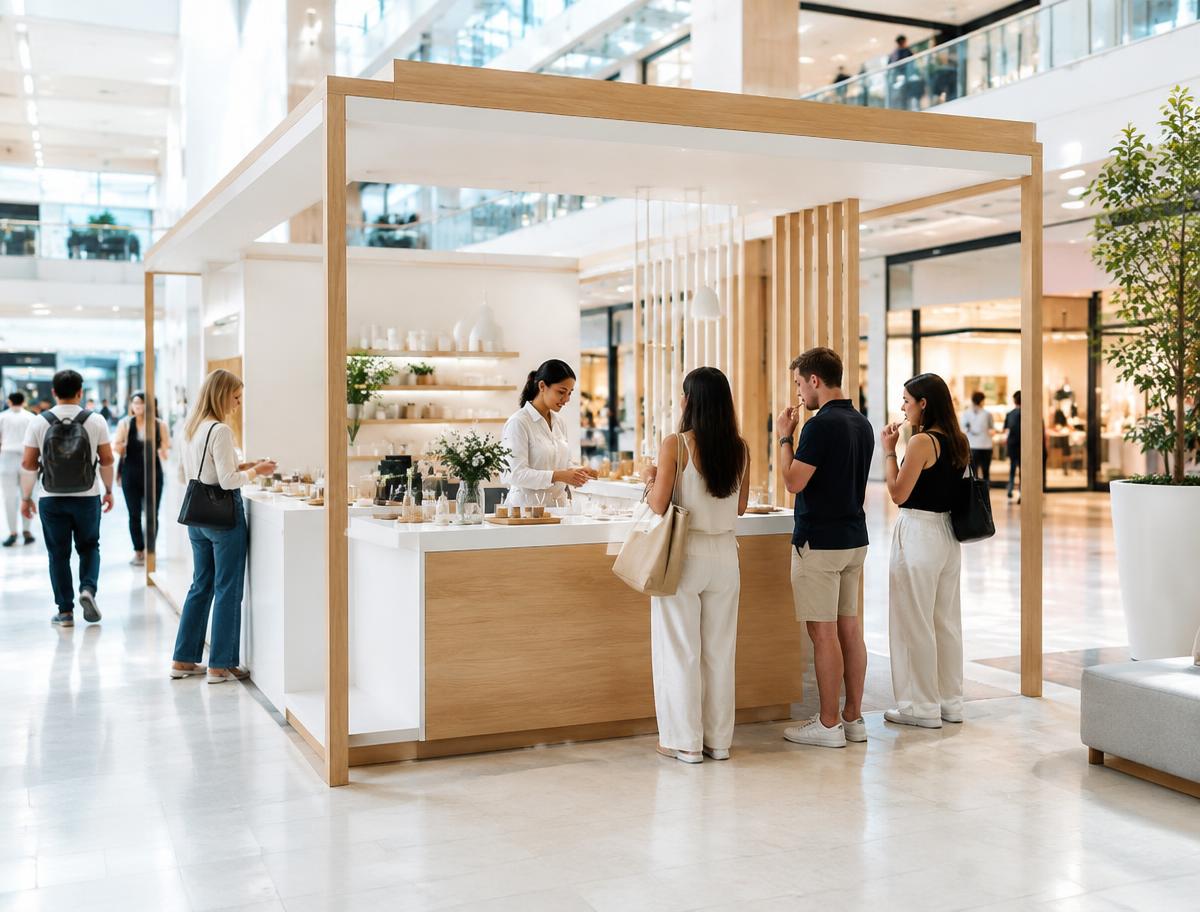
Start before committing to a venue or format. Align the concept with your campaign calendar and allow time for creative development, fabrication and approvals; the schedule depends on the scope. Choose settings where your intended audience already spends time. Retail spaces, launch venues and temporary experience spaces each create different opportunities to engage. The shortlist should be assessed against the programme, not appearance alone. Access routes, capacity, noise restrictions, weather exposure and setup windows can influence what is feasible. Check these conditions before committing to a design or announcing details to guests.
Work backwards from the event date with clear decision points for concept approval, supplier confirmation and guest communications. Identify who can approve changes and when information needs to be final. If the schedule is short, simplify the scope deliberately rather than compressing every task. A realistic timeline gives the people involved room to prepare, check details and rehearse the moments that depend on several moving parts.
Brief your brand positioning, target audience and the response you want. Agree what to measure before developing the experience. Develop a creative direction and decide whether a launch, roadshow or another encounter best serves the brief. Coordinate the space, staffing and delivery, then review agreed interactions, feedback and permission-based follow-up. Keep the responsibilities visible and the running order practical. The plan should explain how the event is set up, how guests are welcomed and how the programme transitions from one moment to the next.
Before requesting a brand activations proposal, gather the information you already have: your brand, target audience, campaign objective and budget range. Add the decisions still open, the experience you want to create and any constraints that cannot change. After the event, review the agreed measures and the observations that can inform the next brief. No two occasions need the same formula; a clear starting point makes it easier to build something that belongs to yours.
With you, every step
From careful planning and conceptualisation to logistics and on-the-day delivery, EMS supports your event every step of the way - and makes sure everything is carefully executed.
Align the audience, campaign objective, budget and intended response before choosing a format.
Shape the brand narrative, interactive experience and visitor journey around what makes you different.
Coordinate venue permissions, fabrication, materials and audience-facing team briefings.
Check the installation, rehearse interactions and oversee the experience against the agreed campaign plan.
Review agreed engagement measures and feedback, with consent-based follow-up where included.
No two businesses have the same story. Your audience, objectives and brand shape the concept, programme and atmosphere. No two events should be the same.
Customised does not have to mean extravagant. We build solutions for every business and budget, prioritising the elements that serve your goals and making the trade-offs clear.
A brand activation needs a different approach from a conference or a retreat. We bring focused event expertise to each format, connecting the creative idea with the details needed to deliver it.
FAQs
Brand activation is the strategy of bringing a brand to life through audience participation. It connects a brand message to an experience, rather than relying on exposure alone.
Brand activation is the overarching strategy. A roadshow is a specific delivery format, often taking a campaign into malls or across several locations. You can request roadshow execution on our dedicated Roadshows page.
A product launch introduces something new through a reveal, demonstration or hands-on discovery. Within a brand activation strategy, the launch becomes a focused moment that connects the product story to the audience experience. Roadshows can then take that experience to additional locations.
Choose a product launch when the brief centres on introducing a new product to guests, media or partners. Choose a roadshow when the priority is reaching audiences in selected locations. A wider activation campaign can include both, with one creative direction and a clear purpose for each.
Yes. Share your brand objectives, audience and budget so the proposal can bring the concept and its delivery together.
Keep exploring
Free, tailored proposal
Share your brief once. We will come back with a considered proposal shaped around your audience, objectives and budget.
Online quote requests are not available yet. Please use the listed contact details.